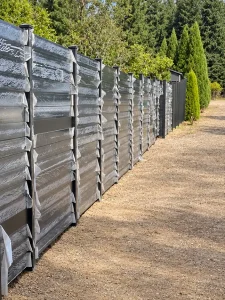
How Do You Install an Aluminum Fence?
Plan the layout, confirm the post and foundation details, install the supports, fit the panels and gates, then inspect the completed fence. The exact sequence depends on the selected system, mounting method and site conditions.
Aluminum components can simplify handling, but panel weight and assembly vary. For contractors, distributors and project buyers, coordinate approved drawings and a complete supply package before starting site work.

Step 1: Confirm Boundaries, Approvals and Underground Services
Verify the property boundary and applicable approvals or community restrictions. Arrange the local utility-location process before digging. Record ground levels, access, drainage and adjoining structures.
Agree the intended function: garden boundary, privacy fence, commercial perimeter or pool barrier. Each use may introduce different design or inspection requirements.
Step 2: Approve the Layout and Component Schedule
Mark straight runs, corners, end points and gates. Set post spacing from the actual system drawings, not nominal panel width alone. Review gate clearances and any permitted adjustments before foundations are installed.
| Supply item | Confirm before delivery |
|---|---|
| Panels | Style, dimensions, spacing, finish and assembly format. |
| المشاركات | Line, end, corner and gate positions with the correct mounting details. |
| Connectors | Rail or panel brackets, fasteners and compatible fittings. |
| بوابات | Leaf dimensions, supporting posts, hinges and latches. |
| Foundation components | Specified base plates, anchors or embedded-post details. |
| Documentation | Approved drawings, component list and installation instructions. |
Step 3: Select the Post Mounting Method
Embedded posts
أعمدة من الألومنيوم مدمجة في الأرض need approved foundations for the soil, frost conditions and design loads. No universal hole depth or concrete quantity is assumed.
Base-plate posts
Surface mounting requires a suitable structural substrate and designed anchors. Paving, deck boards or a thin slab should not be assumed adequate.
Wall or side connections
Confirm the fitting’s intended duty and the supporting structure. A rail-end bracket is not automatically a substitute for a post.
Step 4: Set Posts and Check Alignment
Install supports according to the approved details. Check position, plumb and the height reference before the foundation sets or the connection is finalized. Follow the concrete and anchor manufacturers’ requirements.
Keep specified drainage and connection openings clear. Allow the required cure before loading the foundation. Some systems need progressive panel-and-post assembly; follow the supplied sequence rather than setting every post independently.
Step 5: Fit the Fence Panels
Use the supplied connector or rail engagement details, observing orientation, clearances and fastener requirements. Protect the coating during handling and check alignment as work progresses.
Pre-punched posts, routed openings, bracket connections and preassembled panels are product-specific. Confirm which format is supplied. Do not assume every Wonderful Metal style uses the same connection or arrives fully assembled.
Cutting, drilling or altering finished components requires approval and the prescribed edge or coating treatment. Do not force panels to fit an incorrectly spaced post layout.
Choose Installation Details for the Fence Style
Horizontal slat panels
Horizontal aluminum fencing includes different privacy arrangements. Confirm infill spacing and the complete post and connection design.
Vertical slat and picket panels
Vertical slat fences و picket fences use different profile and connection arrangements. Follow their actual drawings.
Louvre systems
Aluminum louvre fences need the specified blade orientation, spacing and support details. Do not reverse components without confirming the design.
Slopes: Racked and Stepped Panels Are Not Interchangeable
Racked panels follow a slope only within the system’s approved adjustment. Stepped panels remain level with height changes between sections. A rigid privacy or welded panel may not rack.
Provide slope measurements before fabrication and agree the intended treatment. Check bottom openings at every section, especially for pets or pool barriers. Do not assume a universal racking angle or on-site bend allowance.
Step 6: Install and Adjust Matching Gates
Review matching aluminum gates as a separate assembly with suitable support posts. Confirm leaf dimensions, hinge locations, latches, opening direction and clearances.
For swing gates or sliding gates, follow the approved hardware and any automation instructions. Gate loads can differ from fixed-panel loads; do not reuse a post detail without checking suitability.
Pool Barriers and Elevated Guards Need Specific Approval
For pool fencing, confirm local requirements for height, openings, climbability and gate operation. Verify required self-closing and self-latching functions in the actual installation.
For an elevated deck or fall-protection edge, confirm guard requirements separately. A general fence panel is not automatically a rated guard. Review US pool barrier guidance alongside the rules applicable to the site.
Step 7: Inspect, Clean and Hand Over
Check posts, connections, panel alignment, damage and gate operation. Complete any required authority inspection and resolve defects before handover.
Remove site debris and clean according to the supplied coating instructions. Use approved touch-up materials where specified; a repair should not be presented as restoring factory powder-coating performance.
Retain drawings, hardware references, inspection records and finish-care instructions for ongoing maintenance.
DIY vs Professional Installation
DIY installation may be feasible for some systems and sites where permitted. It still requires suitable tools, competent layout, approved foundations and applicable inspections.
Complex slopes, gates, existing structures or unclear mounting conditions should be reviewed by a competent installer or project professional. Do not assume installation is straightforward solely because the material is aluminum.
B2B Installation-Ready Supply Checklist
| RFQ item | Provide or request |
|---|---|
| Site brief | Location, intended use, exposure and installation conditions. |
| Drawings | Fence runs, panel sizes, post schedule, slopes and gates. |
| Technical scope | Material sections, connectors, mounting and design responsibility. |
| Assembly format | Confirmed panel assembly state and post connection type. |
| الأجهزة | Exact fittings, fasteners, hinges and latch models. |
| Documentation | Installation details, care sheet and required performance evidence. |
| Packing and receiving | Component labeling, protection, delivery access and unloading. |
| Commercial terms | Quantities, MOQ, lead time, freight scope and written warranty. |
For wholesale aluminum panels و OEM fence manufacturing, confirm any custom dimensions or packing requests before production.
Budget for the Full Installation Scope
Include panels, posts, gates, connectors, freight, foundations, site preparation, tools, labor and any required approvals or inspections. Confirm whether removal of existing fencing and unloading are included.
Compare equivalent layouts and specifications. See aluminum fence cost factors and the existing detailed aluminum installation resource. No universal labor saving or completion time is promised.
Aluminum Fence Installation FAQs
How do you install an aluminum fence?
Approve the layout and mounting details, install the supports, fit panels and gates, then inspect and hand over. Follow the exact supplied system instructions.
Do aluminum fence posts always go in concrete?
No. Embedded, surface-mounted and other approved details exist. Select the method for the actual substrate and system.
Are pre-punched posts included?
That depends on the product and quotation. Confirm the connection type and assembly format before ordering.
Can aluminum panels follow sloping ground?
Only within the approved system configuration. Confirm racking or stepping before fabrication.
How deep should I set the posts?
Use the foundation detail specified for the soil, frost conditions and design loads. There is no universal depth for every fence.
Can I install it myself?
Some projects may suit DIY where permitted, but approved details, tools and inspection requirements still apply.
What should contractors request with the order?
Approved drawings, a full component schedule, current installation instructions, hardware details and care documentation.
Request an Aluminum Fence Supply Package
Send Wonderful Metal your layout, quantities, style, mounting conditions, gate requirements, finish and destination. Discuss a wholesale, contractor or OEM package with clear technical and delivery inclusions.
Product format, mounting suitability, approvals, warranty and supply terms must be confirmed for the actual order.