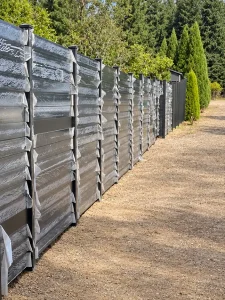
Aluminum Fence Shipping and Delivery: A Complete Buyer’s Guide
Plan your fence shipment from order approval to site receiving. Understand packaging, freight choices, destination coordination and unloading before your aluminum panels, posts and gates leave the factory.
Explore the Delivery ProcessDiscuss Your OrderHow Aluminum Fence Shipping and Delivery Works
A complete delivery plan links the approved product order to suitable packaging, transport, destination handling and site receiving. Confirm every handover before dispatch, especially for oversized panels, custom gates and residential addresses.
Aluminum fence orders are more than a set of panels. Posts, brackets, caps, hinges and other hardware must arrive in the right quantities and be identifiable for installation. A missing small component can delay work even when the main panels arrive on time.
WONDERFUL METAL supplies custom fence and gate configurations for project buyers. This guide explains the information to agree when planning international shipment and local delivery. The actual route, service level and responsibilities are established for each order.
Separate Production, Transport and Final Delivery
| Stage | What Happens | What to Confirm |
|---|---|---|
| Order approval | Drawings, quantities and finish references are finalized. | Which approvals release the order for production. |
| Manufacturing | Components are made to the agreed specification. | Production estimate and the effect of changes. |
| Inspection and packing | Products are checked and prepared for handling. | Inspection records, package sizes and dispatch readiness. |
| Origin movement | Goods move from the factory to the departure facility. | Pickup arrangements, booking and required documents. |
| Main transport | The shipment moves by the agreed international route. | Estimated departure and arrival, including any transfers. |
| Destination handling | Release, clearance and onward movement are coordinated. | Responsible parties and required information. |
| Site delivery | The truck reaches the agreed receiving point. | Appointment, access, unloading and acceptance procedure. |
A vessel arrival estimate is not a residential delivery appointment. Allow for destination processing, release and truck scheduling when planning the installation date. Ask which milestones are estimates and which have been confirmed.
Step 1: Finalize the Fence and Gate Schedule
Use one approved drawing revision and component schedule before packing is planned. Record panels by type or installation location, and identify special widths, steps, corners and gates separately.
State whether posts, caps, brackets and fixings are included. For gates, identify the leaf, hinges, latch, stops and any accessories supplied by others. A descriptive product name is not a complete packing instruction.
Confirm supply format as well. Pre-assembled panels and component kits can have different package shapes, installation work and handling requirements. Discuss the intended format before comparing freight quotations.
Explore our horizontal slat fences, vertical slat fences et matching aluminum gates when preparing the schedule.
Step 2: Plan Packaging Around the Actual Shipment
Packaging should protect the agreed finish and support the products through the planned handling route. Discuss panel separation, edge protection, restraint and the position of loose hardware. Protection should not itself create damaging pressure or rub against coated surfaces.
Choose packages that can be handled at both ends of the journey. A package suited to factory lifting equipment may be difficult to unload at a home or a restricted building site. Confirm the finished package length, width, height and gross weight before agreeing final delivery equipment.
Identify Components Clearly
Use package marks and a packing list that connect to the order schedule. Separate hardware by reference where practical, and identify any components packed inside another package. Record counts in a way that distinguishes bundles, panels and individual accessories.

Step 3: Agree Pre-Shipment Inspection Records
| Inspection Area | Useful Record |
|---|---|
| Product identity | Order number, component references and drawing revision. |
| Quantité | Panel, post, gate and accessory counts against the order. |
| Dimensions | Agreed measurements for representative or specified components. |
| Finish and appearance | Photos and checks against the agreed reference or sample. |
| Emballage | Package condition, marks, dimensions and gross weights. |
| Loading | Agreed photographs of placement, restraint and shipment identification where applicable. |
Agree the scope and acceptance criteria before inspection. General photographs are useful records, but they do not replace a required test, measurement or product approval. Resolve discrepancies before the goods are released.
For remote buyers, a structured inspection file makes it easier to connect the shipment to the order without depending on a series of unrelated images.
Step 4: Choose a Suitable Freight Route
| Option | When to Evaluate It | Points to Compare |
|---|---|---|
| LCL sea freight | A shipment sharing container capacity with other cargo. | Packing requirements, handling stages, dimensions and destination charges. |
| FCL sea freight | A shipment using a dedicated container. | Loading plan, restraint, delivery equipment and unloading time. |
| Air freight | Time-sensitive components or replacement items where feasible. | Size limits, chargeable weight and onward handling. |
| Road delivery | Factory pickup, terminal movement or final distribution. | Vehicle access, package size and loading or unloading equipment. |
Do not choose from volume alone. Compare the actual packed dimensions, gross weight, destination and delivery scope. Large gates or long packages may affect equipment availability and the feasible route.
A small replacement part may travel differently from the original fence order. Confirm compatibility and shipping details before assuming that a repeat delivery uses the same service.
Loading and Cargo Restraint
Plan how loads will be supported and restrained during the journey. Prevent packages from moving into each other, protect contact points and avoid treating a decorative frame as an approved lifting or securing point.
For container movements, coordinate weight distribution, restraint and the unloading sequence. Keep the component labels accessible where possible so the receiver can identify packages without unnecessary handling.

Ask which loading records will be provided and retain them with the packing list. These records can help investigate later discrepancies without implying that every handling stage was visible at dispatch.
Step 5: Prepare Destination Information Early
Identify the parties coordinating destination release and delivery before dispatch. Supply consistent consignee details, receiving contacts and the full address. Clarify who will provide any importer information required for the destination process.
The shipment documents should accurately describe the goods and match the commercial order and packing list. Requirements vary by destination and product, so have the responsible broker or transport provider confirm the necessary information.
If wood packaging is proposed, ask the relevant provider to confirm destination treatment and marking requirements before packing. Do not leave that check until the shipment has arrived.
Make the Delivery Scope Explicit
Write down the named receiving point and the services included. Identify responsibility for freight, clearance, destination handling, taxes, delivery appointments and unloading. Terms such as “door delivery” should be supported by a precise service description.
Step 6: Prepare for Residential Fence Delivery
Provide access information at quotation stage. Describe narrow streets, restricted entrances, overhead obstructions, steep driveways, soft surfaces and turning limitations. A postal address alone does not show whether the planned vehicle can reach a safe unloading point.
Do You Need a Liftgate?
Tell the provider whether a forklift, loading dock or other suitable unloading equipment is available. A liftgate is an equipment option, not a guarantee that every package fits: confirm platform dimensions, capacity and package handling limits.
Where Will the Goods Be Placed?
Distinguish roadside or curbside handover from movement into a driveway, garden or building. Confirm any additional handling in writing. The driver should not be assumed to carry long panels to the installation position.
Arrange a receiving contact, suitable equipment and a safe storage area before confirming the appointment. Keep the route clear and make sure the receiving team has the packing list.
Real Product Reference: North Haven Residential Delivery
The 8ft × 6ft vertical fence product page records an order delivered to a customer’s home in North Haven, Connecticut. It comprised 15 black powder-coated 6063 aluminum panels.
| Reference Item | Recorded Order Detail |
|---|---|
| Panel size | 8ft × 6ft |
| Slat dimensions | 2.5 × 0.6 × 0.04 inches |
| Quantité | 15 panels |
| Reported shipment volume | 2 CBM for the complete shipment |
| Reported shipment weight | 600 kg for the complete shipment |
| Receiving requirement | Delivery to the customer’s home |
This completed order is a reference, not a fixed freight rate, standard package size or universal delivery promise. New orders require their own packing calculations, route review and receiving arrangements.
Receiving an Aluminum Fence Delivery: A Practical Checklist
- Identify the shipment. Check labels, package count and order reference.
- Look for visible exceptions. Photograph damaged wrapping, crushed corners, displaced restraints or other concerns.
- Use the agreed delivery procedure. Record visible shortages or damage on the appropriate paperwork or electronic record.
- Unload safely. Use equipment suited to the package and follow the agreed handling plan.
- Check contents promptly. Compare panels, posts and hardware with the packing list.
- Keep evidence. Retain labels, relevant packaging, photos and delivery records where an issue exists.
Confirm the supplier and carrier reporting procedures before delivery. If inspection time is limited, ask how concealed damage should be reported. Do not assume that writing a general note on a receipt guarantees a successful claim.
What to Do About Damage, Missing Parts or a Failed Delivery
Report an issue promptly using the agreed process. Include the order reference, package mark, affected component, quantity and clear photographs. Describe the condition as observed rather than guessing where the damage occurred.
Keep affected items and relevant packaging available for review. Obtain instructions before disposing of, modifying or repairing disputed goods where those actions could affect the investigation.
For a missing item, first check the packing list and any nested accessory packages. For delivery failure, establish the reason and agree a feasible new access or handling plan. Redelivery and storage may have cost implications under the agreed terms.
Insurance and Claims Are Separate from Delivery Service
Ask whether cargo insurance is included and have its scope, destination and claim procedure confirmed for the actual shipment. Do not assume that a freight booking or door-delivery quotation automatically provides the coverage you need.
From Delivery to Installation
Store the products using the supplied guidance on suitable supports. Protect finished faces from rubbing, dirt and metal debris, and avoid unstable leaning stacks. Keep package and component identification with the goods.
Open packages carefully to avoid cutting or scratching the finish. Keep loose hardware organized by location or gate reference and inspect the complete supply before the installation team begins.
Do not fix a hard installation start date solely from an early vessel estimate. Allow for receiving checks and any required resolution of missing or damaged components.

Information Needed for a Fence Shipping Quote
- Panel and gate dimensions, quantities and supply format.
- Posts, caps, brackets and hardware included in the order.
- Available package dimensions and gross weights.
- Full destination address, postcode and receiving contact.
- Residential or commercial status and vehicle access restrictions.
- Available unloading equipment and requested service scope.
- Target timing and any site appointment requirements.
For repeat or distributor orders, discuss package labeling and standard component references in advance. Explore wholesale aluminum fence supply when coordinating a repeatable range.
Aluminum Fence Shipping and Delivery FAQs
How long does aluminum fence shipping take?
Confirm production, dispatch, main transport and final delivery separately. Timing depends on the order, route, destination processing and receiving arrangements.
Is freight included in the fence price?
Only where the quotation explicitly includes it. Check the named destination and all included services and exclusions.
Can aluminum fences be delivered to a home?
Residential delivery can be evaluated from the order and address. Confirm access, equipment, receiving point and unloading before booking.
Does door delivery include unloading?
Not automatically. Confirm unloading, liftgate requirements and placement services separately in the written scope.
Can a liftgate handle large fence panels?
It depends on the package dimensions, weight and equipment. Obtain confirmation rather than assuming every oversized package can use that service.
What should I do if packaging arrives damaged?
Photograph the condition, record visible exceptions using the agreed delivery procedure and contact the responsible parties promptly.
Are panels, posts and gates shipped together?
Confirm the order’s dispatch plan and packing list. If components ship separately, identify the shipment references and installation implications.
Can I ship only replacement hardware?
Provide the original order and component references. Confirm compatibility, availability and the appropriate shipment method for the replacement.
What should I send for a delivery quotation?
Send the product schedule, destination address, required timing, access restrictions and unloading information.
Coordinate Your Fence Order and Delivery with WONDERFUL METAL
Send your fence layout, panel and gate quantities, finish and destination. Include receiving restrictions so the product, packing and delivery scope can be reviewed together.
Request a Fence & Delivery QuoteE-mail : [email protected]